
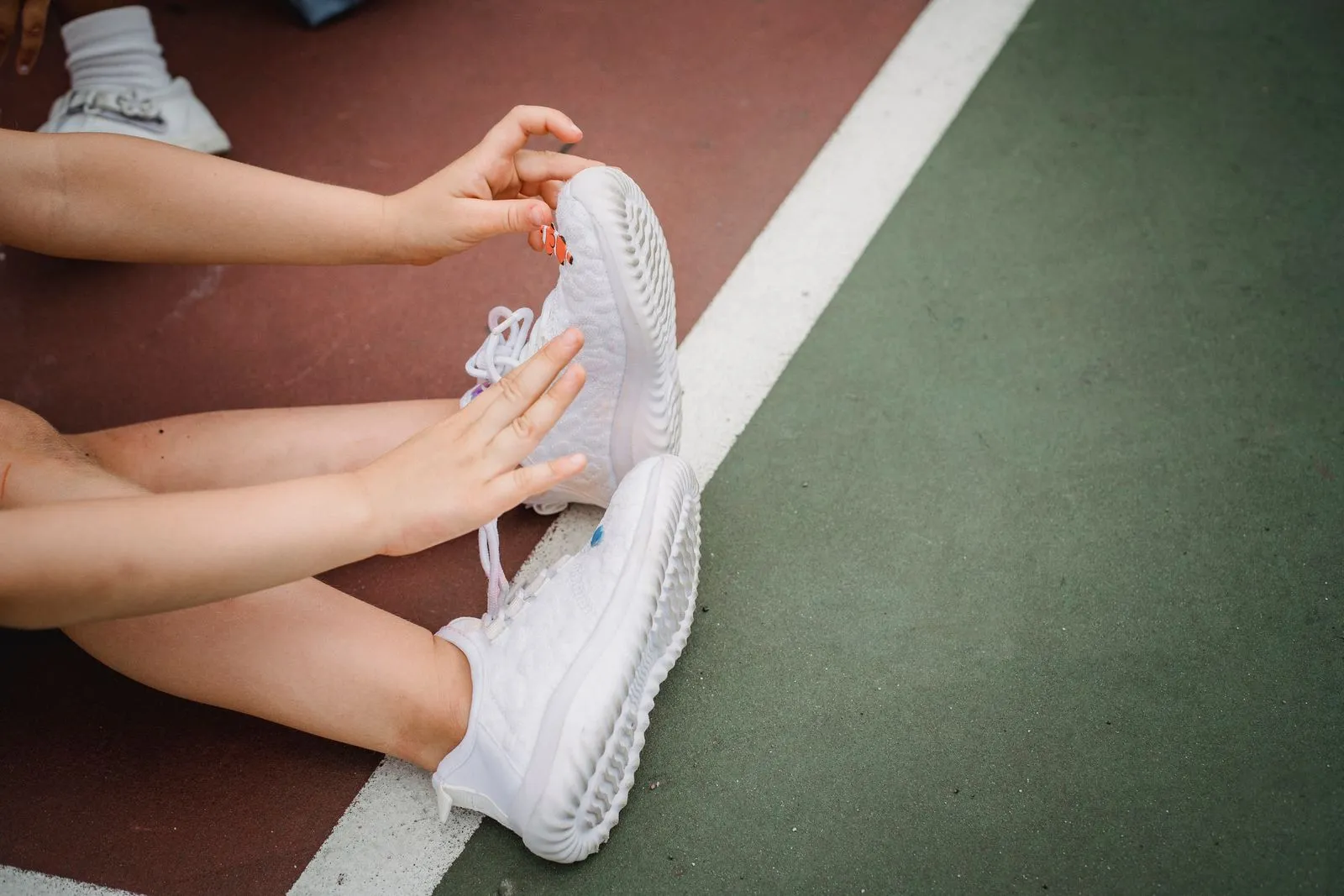
Children’s feet can change quickly, so a pair that fit well a few months ago may now feel tight or rub during play. The right shoe should leave room for natural movement while staying secure enough for walking and running. Check fit rather than relying only on a child’s age or shoe size, and pay attention to signs of discomfort. A few simple checks can help you choose shoes that feel comfortable for everyday activities.
Check Length and Width
Have your child stand while you check shoe fit, since feet spread under body weight. There should be a little space between the longest toe and the front of the shoe, but not so much that the foot slides forward. Check both feet; one may be larger. Fit the shoe to the larger foot, and make sure the toes can wiggle without being squeezed.
Look for pressure along the sides as well as at the toe. A shoe that feels long enough can still be too narrow or have a toe box that tapers sharply. Ask your child how the shoe feels, but also inspect for pinched toes, red marks, or rubbing after wear. Don’t expect a stiff or tight shoe to stretch into a comfortable fit.
Try Shoes with Care
Shop later in the day when possible, because feet can swell slightly over the course of normal activity. Bring the socks your child expects to wear with the shoes. Have them walk, turn, and take a few quicker steps in both shoes. Watch for slipping at the heel, toe crowding, or a change in their natural stride.
Fasten laces, straps, or closures as they would be worn day to day. The shoe should stay on without needing to be pulled tight enough to leave marks. Ask about any rubbing or pressure, especially around the heel, toes, and top of the foot. A child may not always mention discomfort, so check their skin after a new pair’s first few wears.
Look for Useful Support
Choose shoes suited to the activity and the surface your child uses most. Everyday shoes should bend where the toes bend, while holding their shape around the middle of the foot. A secure heel and a sole with dependable grip can help the shoe stay in place during walking and play. Avoid shoes that twist or fold easily through the middle.
Comfort and fit matter more than a particular brand or style. Children do not automatically need specialized shoes or extra arch support if they have no symptoms or specific recommendation from a clinician. If a shoe causes ongoing discomfort, or your child regularly trips or avoids activities, discuss those concerns with a pediatric healthcare professional.
Recheck as Feet Grow
Check shoe fit regularly and whenever your child mentions discomfort or starts wearing a pair differently. Look inside for worn lining, flattened cushioning, or rough spots that could irritate the skin. Also check the sole for uneven wear. A shoe can become uncomfortable because it is outgrown, damaged, or no longer suited to the activity.
When buying the next size, compare the fit on your child rather than assuming the next number will work. Shoe sizes can vary between brands and styles. Keep footwear clean and dry, and avoid passing down shoes that are misshapen or worn unevenly. If you notice persistent pain, blisters, or walking changes, seek advice from a qualified healthcare professional.
A comfortable shoe gives growing toes room, stays secure during movement, and suits the activities your child enjoys. Recheck fit as your child grows, and take recurring pain, rubbing, or changes in walking seriously. For questions about your child’s foot comfort, contact Little Steps Podiatry to discuss whether an evaluation may be helpful.